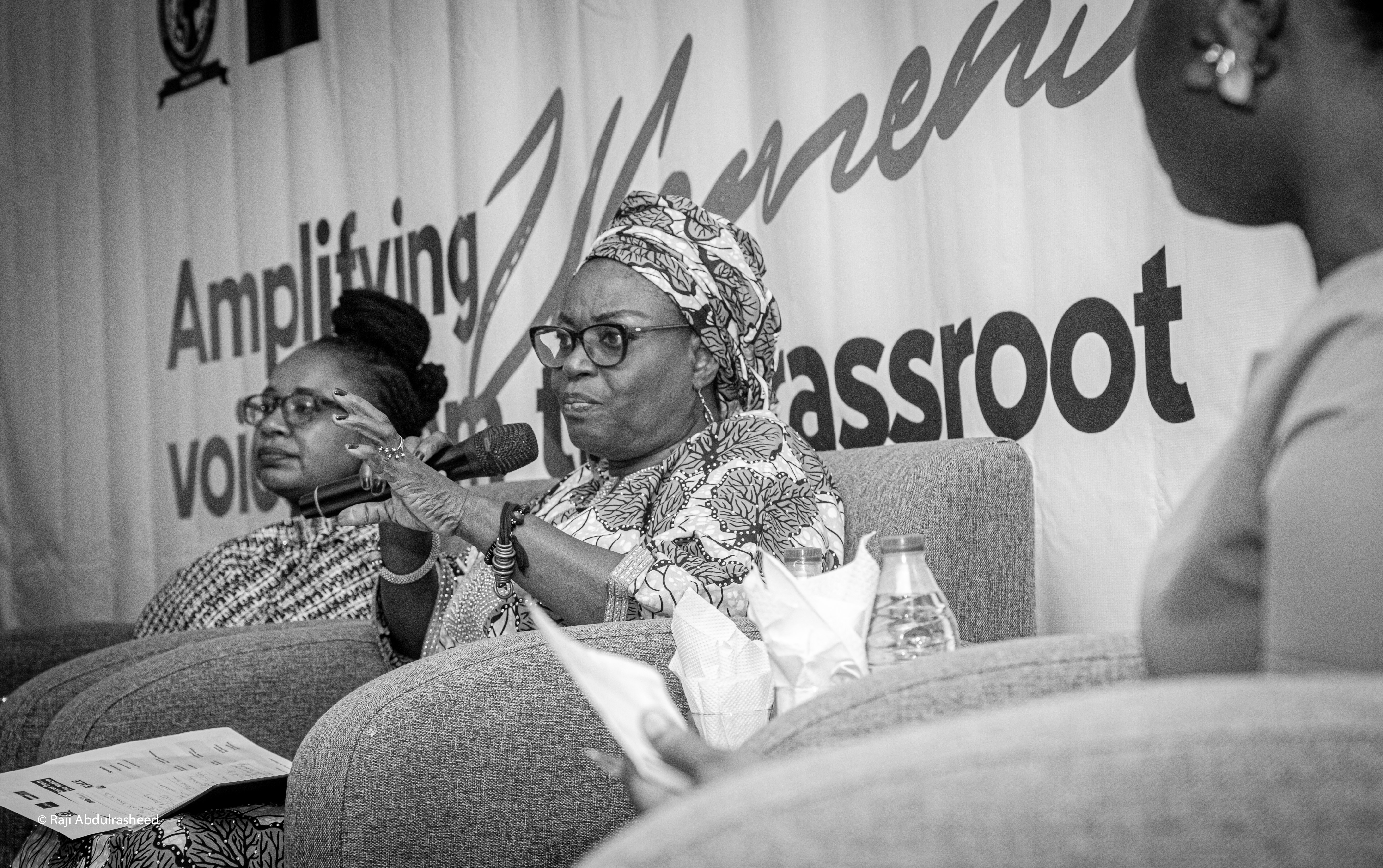
National Convening on Security Sector Reform and Gender-Inclusive Governance in Nigeria
This report summarizes the key outcomes of the 'She Speaks Peace' national convening held in Abuja, Nigeria. It details the disproportionate impact of insecurity on women, identifies systemic barriers to their participation in governance, and outlines actionable policy strategies for fostering gender-inclusive security sector reform.
She Speaks Peace
Amplifying Women's Voices
Insights and Outcomes from the National Convening on Security Sector Reform and Gender-Inclusive Governance
Executive Summary
"On September 11, 2025, a landmark gathering of policy experts, grassroots advocates, and security sector scholars convened in Abuja to address a critical gap in Nigeria's peace and security architecture: the amplification of women's voices. The 'She Speaks Peace' initiative underscored a fundamental truth—security is not gender-neutral."
The Human Cost of Insecurity
The keynote address by Prof. Plangsat Dayil highlighted a stark reality. Nigeria’s widespread insecurity disproportionately burdens women and girls.
2.5M
Food Crisis
Nigerians facing acute food insecurity by late 2025.
< 60%
Education Gap
School attendance in conflict zones for girls.
High
Protection Risks
Alarming levels of GBV and limited WASH access.
Despite these hurdles, women remain at the heart of community resilience, often driving informal peace networks that remain unrecognized by formal state structures.
Challenges to Meaningful Participation
Economic Marginalization
Poverty forces women to prioritize survival over advocacy. In conflict zones, the disruption of the informal sector silences grassroots voices.
Patriarchal Norms
Deep-seated traditions view governance and security as male domains, often reinforced by traditional institutions.
Institutional Underrepresentation
While national targets aim for 35% female representation in security forces, the current figure remains at only 27.9%.
Literacy and Language Barriers
National platforms often operate in formats and languages inaccessible to rural women who speak local dialects.
From Policy to Progress
The "3Ps" Framework (Prof. Freedom Onuoha)
Policy
Creating frameworks like the National Gender Policy that recognize unique gender concerns.
Practice
Training personnel to be gender-sensitive in daily operations and community interactions.
Personnel
Actively recruiting women to ensure agencies reflect the diversity of the population.
The Nuance of Inclusion
Dr. Ndidi Anyanwu emphasized that women are not a monolith. Reform must cater to specific needs of displaced women and those with disabilities.
Formalizing the Informal
Dr. Plangsat Dayil highlighted the need to integrate community mediation and grassroots protests into state-recognized practices.
Strategies for Tangible Outcomes
Local Governance
Utilizing local government autonomy as the vital link for funding women-led community initiatives.
Mentorship
Connecting seasoned scholars with emerging young voices to ensure continuity in advocacy.
Digital Storytelling
Using documentaries to showcase grassroots successes and attract local philanthropy.
Accountability
Demanding accessible assessment reports on National Action Plans to measure real progress.
Call to Action
- ✓Decentralize Platforms: Establish portals to archive peacebuilding stories from the grassroots.
- ✓Awareness Campaigns: Challenge stereotypes through traditional and social media.
- ✓Mandatory Representation: Ensure 50% of peace negotiation teams include women.
- ✓Diversified Funding: Champion local philanthropy and CSR initiatives.
- ✓Curriculum Reform: Integrate peace education into primary and secondary schools.
Conclusion
Sustainable peace in Nigeria is impossible without the active participation of women. Through collaboration and accountability, Nigeria can build a future where women’s voices are celebrated as catalysts for lasting change.
Produced in collaboration with