Environmental Justice and Energy Transition in Ogoni Land - a Policy Brief
This report assesses the ongoing environmental and public health crisis in Ogoni Land, fifteen years after the 2011 UNEP assessment. It finds that oil contamination persists, remediation is incomplete, and community trust is low, leading to severe health and livelihood impacts. The brief recommends a justice-centered approach focusing on transparent remediation, gender equity, and a community-owned transition to renewable energy.
Executive Summary 2026
Environmental Justice & Energy Transition in Ogoni Land
Findings from a Field Visit to Port Harcourt and Ogoni Communities (13–17 January 2026)
The Current Status
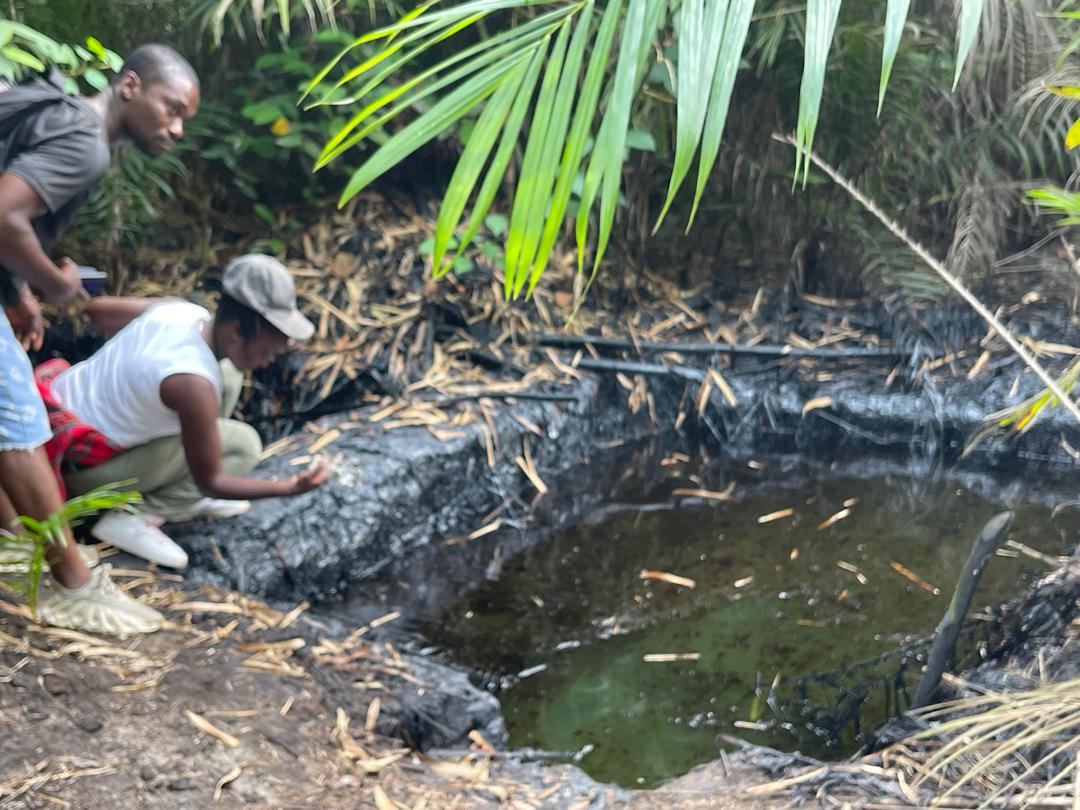
Fifteen years after the 2011 UNEP assessment, oil-impacted communities continue to grapple with contaminated land and water. While the Hydrocarbon Pollution Remediation Project (HYPREP) reports progress, remediation is not yet comprehensive or anchored in a just transition.
Persistent Devastation
Ongoing ecological damage and significant health risks to the population remain unresolved.
Community Mistrust
Deep-seated mistrust towards government and corporate institutions hinders collaborative progress.
Limited Energy Ownership
The integration of community-led renewable energy solutions into the transition plan is minimal.
Remediation Gap Analysis
Progress reported by HYPREP vs. community-perceived realities.
“Oil extraction here is not development—it is extractivism that has hollowed out our social and economic life.”
Environmental & Human Impact
Degraded Farmland
Once-fertile lands now produce rotting cassava and stunted yams. Mangroves—critical for fisheries—have been destroyed.
Public Health Crisis
Evidence of hydrocarbon contamination in blood samples and increased reproductive health complications for women.
Youth Disillusionment
Collapse of traditional livelihoods has forced youth out of education and into economic vulnerability.
A Just Transition: Solar Empowerment
Solar training programs in Kaani are proving that women can be technicians, not just beneficiaries. This challenges gender stereotypes and builds local economic resilience.
"For the first time, women here are not just beneficiaries—we are technicians."
Strategic Recommendations
A four-point plan for a just, equitable, and sustainable future in Ogoni Land.
Justice-Centered Remediation
Establish independent monitoring and publish accessible, real-time remediation data to build public trust.
Gender Equity in Governance
Conduct gender-disaggregated health assessments and mandate female representation in planning bodies.
Community-Owned Energy
Scale solar mini-grids with cooperative ownership models and link training programs to certified green jobs.
End Gas Flaring
Enforce strict "polluter pays" anti-flaring regulations and align with national fossil fuel phase-out timelines.
“We do not want charity. We want restoration, dignity, and control over our future.”
Based on the 2026 Ogoni Communities Field Visit Report
© 2026 YouPaD Intelligence Hub. All Rights Reserved.