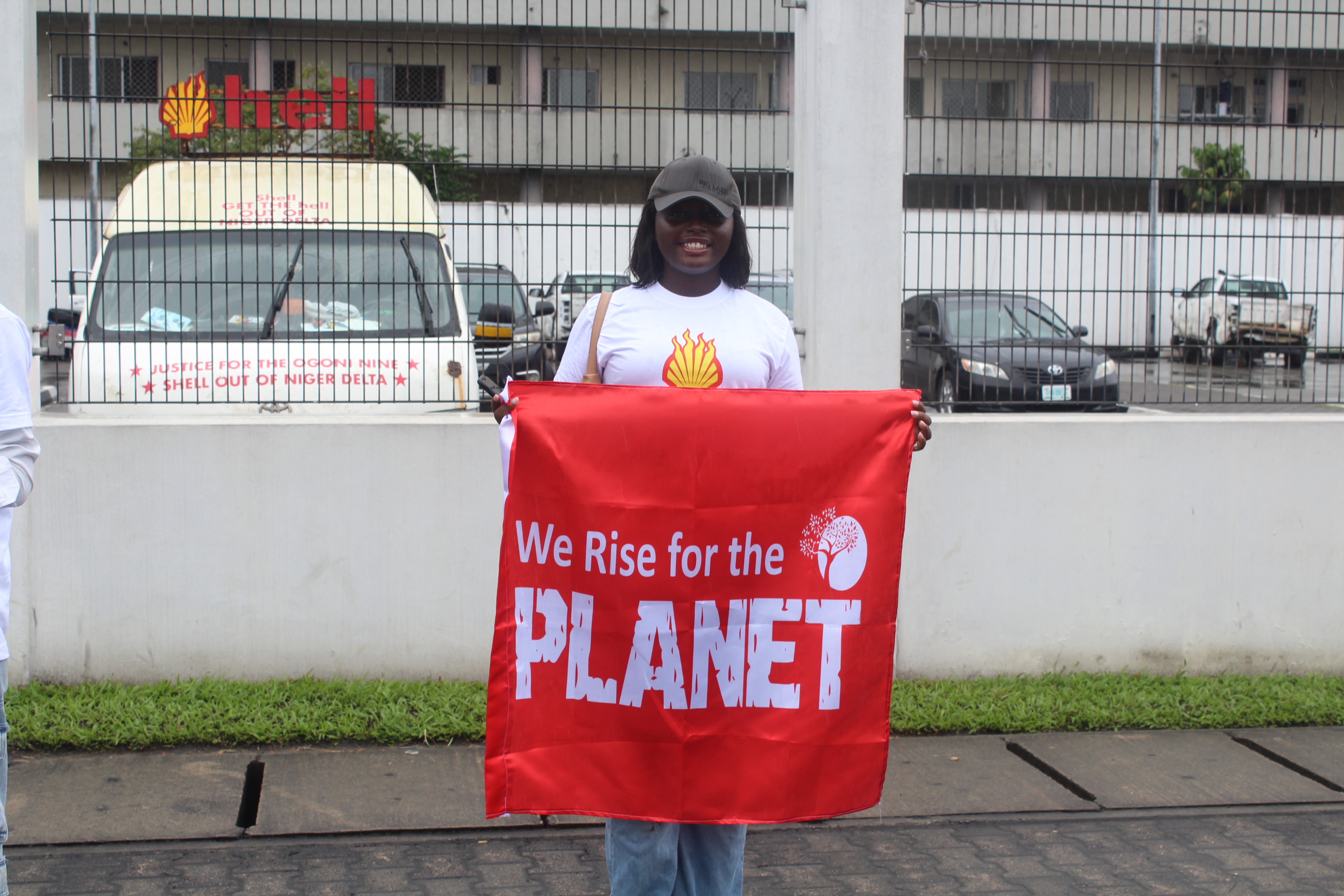
Climate Change as a Security Threat in the Niger Delta
In the Niger Delta, climate change is a threat multiplier, escalating environmental degradation from decades of oil extraction into a primary driver of regional insecurity. This brief finds that the crisis is fueling local conflicts and widening inequalities. It advocates for an immediate policy shift towards a rights-based climate security agenda, institutional accountability, and a framework for reparative justice to mitigate instability.
Policy Brief: Climate Change as a Security Threat in the Niger Delta
Consequent to the Niger Delta Climate Change Conference
Executive Summary
"In the Niger Delta, climate change has evolved from an environmental crisis into a primary driver of regional insecurity. Operating as a threat multiplier, it directly worsens underlying social, economic, and political vulnerabilities, turning environmental stress into acute livelihood, food, and political crises."
While other regions face immediate vulnerabilities from active banditry, the Niger Delta faces a structural, slow-burn threat to the physical safety and survival of millions. Seven decades of continuous environmental degradation from oil extraction have pushed the region to a critical crossroads. Rapid biodiversity loss, severe seasonal flooding, and massive resource scarcity are fueling local conflicts and widening inequalities. To mitigate rising instability, federal and state policy must immediately pivot toward a rights-based climate security agenda, institutional accountability, and a well-funded framework for reparative justice.
The Core Challenge: Engineered Vulnerability
The climate crisis in the Niger Delta cannot be separated from historical extractivism. The region’s vulnerability is an engineered crisis, driven by corporate impunity and structural neglect:
Continuous Ecological Degradation
For 70 years, relentless oil extraction has prioritized corporate profits over human rights. An average of 240,000 barrels of crude oil (over 38 million liters) leak into the Delta's soil and waters every single year, while the region remains the 7th largest gas-flaring location globally.
The Inadequacy of Modern Adaptation
Current international frameworks like "Net Zero" and carbon sequestration function as false solutions that fail to address the core of the crisis. Across major IPCC assessments, the risk to human and ecosystems is rising faster than traditional adaptation can keep pace.
The Threat Multiplier Effect
The loss of vital ecosystems, agricultural lands, and clean water sources directly drives inter-communal disputes (such as farmer-herder conflicts). It also erodes the local economy for community women, severely widening the economic gender gap.
Key Pillars for Policy Reform
1. Rights-Based Climate Security
Human security exists only when the vital core of human lives is protected and citizens have the capacity to live with dignity.
- →Emissions Reductions: Mandate a definitive, strictly enforced end to gas flaring and halt the opening of new oil wells.
- →Climate Debt: Shift the narrative from "charity" to reparations. Fossil fuel corporations and wealthy nations must financially compensate frontline communities for historical ecological damage.
- →Defender Protections: Establish robust legal protections for environmental and human rights defenders working within vulnerable communities.
2. Structural & Institutional Justice
The Niger Delta can no longer survive on reactive, ad-hoc relief packages distributed after seasonal floods or pipeline failures.
- →Permanent Governance: Institutionalize permanent, uncompromised governance entities dedicated exclusively to proactive environmental restoration and long-term community climate resilience.
- →Independent Data: Establish citizen-led and independent environmental data banks. Frontline communities must gather verifiable, legally admissible geographical data to successfully demand accurate reparations in national and international courts.
3. Architecture of a Just Transition
The transition away from fossil fuels must actively dismantle the exploitative, extractivist dynamics of the oil era.
- →Economic Diversification: Prior to the oil boom, agriculture employed over 70% of the national workforce. Government must pivot revenues toward substantial investments in sustainable agriculture, local manufacturing, and technology.
- →Inclusive Governance: Integrate community women and youth directly into the climate governance and decision-making processes that dictate their survival.
Actionable Recommendations for Policymakers
A four-step framework to shift from reactive relief to proactive mitigation and reparative justice.
Legislate Data Transparency
Enact laws requiring independent, third-party audits of all oil spills and environmental damage, bypassing corporate-controlled reporting metrics.
Launch Regional Data Initiative
Partner with local civil society organizations to comprehensively map, quantify, and cost the ecological damage across the Delta to build legally admissible cases for climate reparations.
Establish Agricultural Fund
Direct state and federal ecological funds into modern, climate-smart agricultural infrastructure in the Delta to transition the workforce away from oil dependency and close the gender livelihood gap.
Transition to Mitigation
Restructure National Emergency Management frameworks away from post-disaster relief toward proactive infrastructure engineering to protect vulnerable shoreline communities from predictable seasonal flooding.
Niger Delta Climate Change Conference Policy Output Paper • Designed for Policy Distribution